Table of Contents
Who Was Mary Poppins?
Mary Poppins is one of the most enduring and iconic figures of 20th-century children’s literature and film. To many, she is the practically perfect nanny portrayed by Julie Andrews in the beloved 1964 Disney musical—a cheerful, magical figure who brings joy and order to a troubled family. However, this beloved cinematic version is only one facet of a much more complex and fascinating character. To truly answer “who was Mary Poppins,” one must look beyond the dancing penguins and spoonfuls of sugar to explore her origins in the books by Australian-British author P. L. Travers, her true literary personality, and her lasting impact on popular culture.
The Creator and the Literary Origins
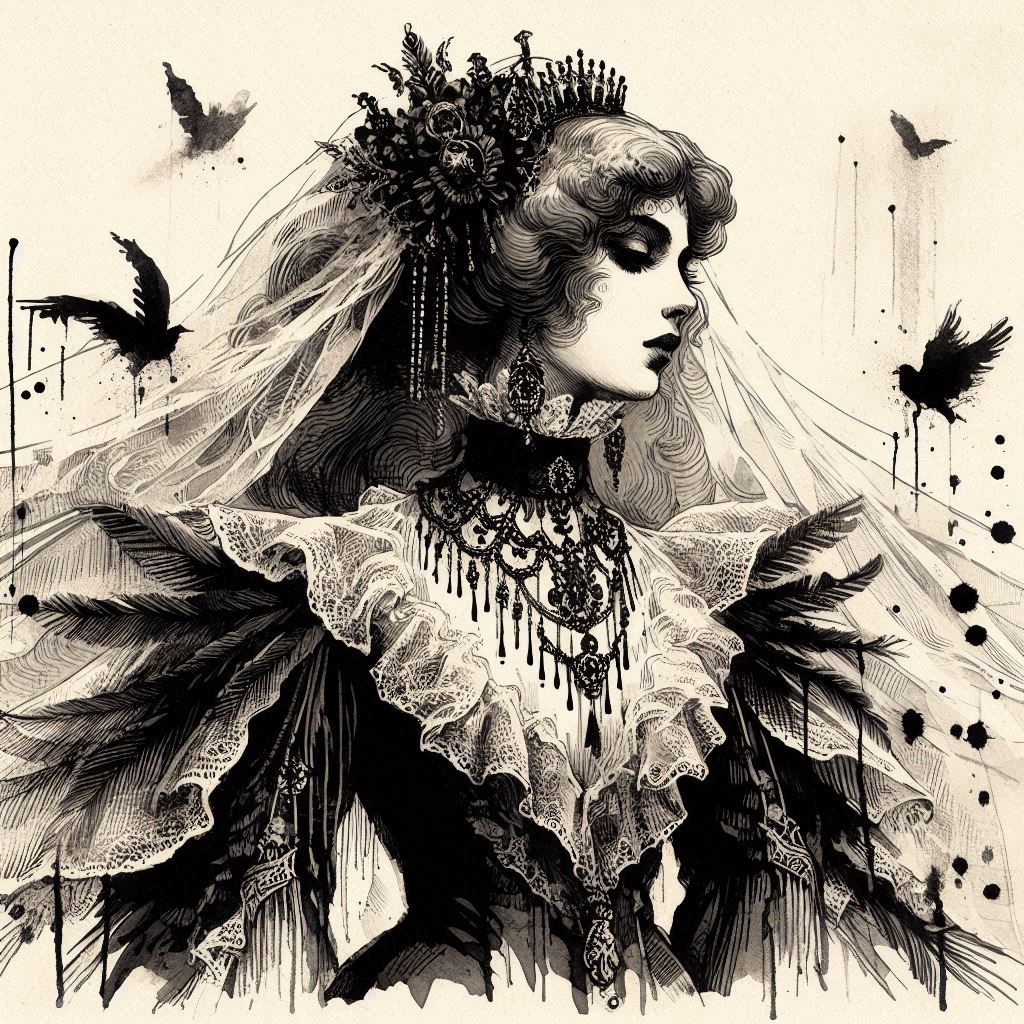
Mary Poppins first came into being in the mind of P. L. Travers, a writer born in Australia in 1899 who later moved to England. The character made her debut in the 1934 novel Mary Poppins, which was followed by seven more books published over the next five decades, the last appearing in 1988. Travers was notoriously protective of her creation and often claimed that the character came to her fully formed. However, biographers and scholars often point to a more personal inspiration: her great-aunt Ellie, known as “Aunt Sass.”
Like Mary Poppins, Aunt Ellie was a no-nonsense, stern figure who carried a carpetbag and expected good behavior from children, yet she provided a sense of stability and magic in Travers’ own troubled childhood. This duality—of sternness mixed with wonder—became the very essence of the literary Mary Poppins.
The “True” Mary Poppins: A Portrait from the Books
The Mary Poppins of P. L. Travers’ novels is a far cry from the sweet-natured, gently encouraging figure of the Disney film. She arrives at the Banks’ home at 17 Cherry Tree Lane, blown in by the East Wind, and presents herself as a quintessentially English, no-nonsense nanny. In appearance, Travers insisted she look like a “Dutch doll”—tall and bony, with black hair, blue eyes, and a snub nose, a far cry from the glamorous Julie Andrews.
Her personality is complex and often off-putting. She is extraordinarily vain, frequently admiring herself in shop windows and mirrors. She is stern, irritable, and can be remarkably cross with the children, Jane and Michael, often scolding them for the very magical adventures she has just led them on. When the children dare to mention her fantastic abilities—like sliding up banisters or talking to animals—she responds with indignant denial and punishment. She is, in the words of one scholar, a “tsundere” figure, whose warmth is hidden beneath a prickly and arrogant exterior. Her magical world is also darker and more mythological.
She is known to other supernatural beings as “The Great Exception,” a human who has retained the magical secrets that all children are born with but eventually forget. Her adventures with the children are not always jolly; they are often strange, symbolic, and even unnerving, such as the birthday party at the zoo where humans are in cages and animals walk freely.
Mary Poppins in Popular Culture: The Disney Adaptation and Its Legacy
Despite the depth and complexity of the books, it is the 1964 Disney film adaptation that has most profoundly shaped the world’s perception of Mary Poppins. Walt Disney spent two decades trying to persuade a reluctant P. L. Travers to sell him the film rights, and their contentious relationship was later dramatized in the 2013 film Saving Mr. Banks. Disney’s vision was for a much warmer, more sentimental, and commercially viable musical, directly opposing Travers’ vision of her character.
The film starred Julie Andrews in her Oscar-winning debut, and her portrayal redefined Mary Poppins for generations. This Mary Poppins is “practically perfect in every way” with a gentle smile, a twinkle in her eye, and a soothing singing voice. While still firm, she is fundamentally kind and nurturing.
She uses magic not just for strange adventures, but to teach practical lessons about finding joy in work (“A Spoonful of Sugar”) and the importance of family. Her friendship with Bert, the cheerful chimney sweep, is a central and heartwarming element of the story. This version is an elegant, whimsical, and thoroughly approachable guardian angel.
The film was a massive cultural phenomenon, becoming the highest-grossing film of 1964 and winning five Academy Awards. It so thoroughly captured the public’s imagination that it forever associated Mary Poppins with Julie Andrews’ wholesome, beloved image—an association that Travers publicly disliked and that Andrews herself occasionally tried to subvert. This cinematic image was so powerful that it spawned a Broadway musical, a 2018 sequel (Mary Poppins Returns starring Emily Blunt), and cemented Mary Poppins as a synonym for the ideal, magical nanny.
Conclusion
So, who was Mary Poppins? The answer is twofold. She is, on one hand, the stern, vain, and deeply mysterious magical being from P. L. Travers’ books—a figure of myth and imagination who refuses to be explained or softened. On the other hand, she is the beloved, cheerful, and elegant nanny from the Disney film—a symbol of comfort, joy, and “practically perfect” parenting.
While the cinematic version is the one that dances in the popular imagination, it is the original literary character who possesses the true, enduring magic. She is a reminder that even the most beloved cultural icons can have hidden depths, and that the wind that brings her to our doorstep can blow from many different directions.
No responses yet